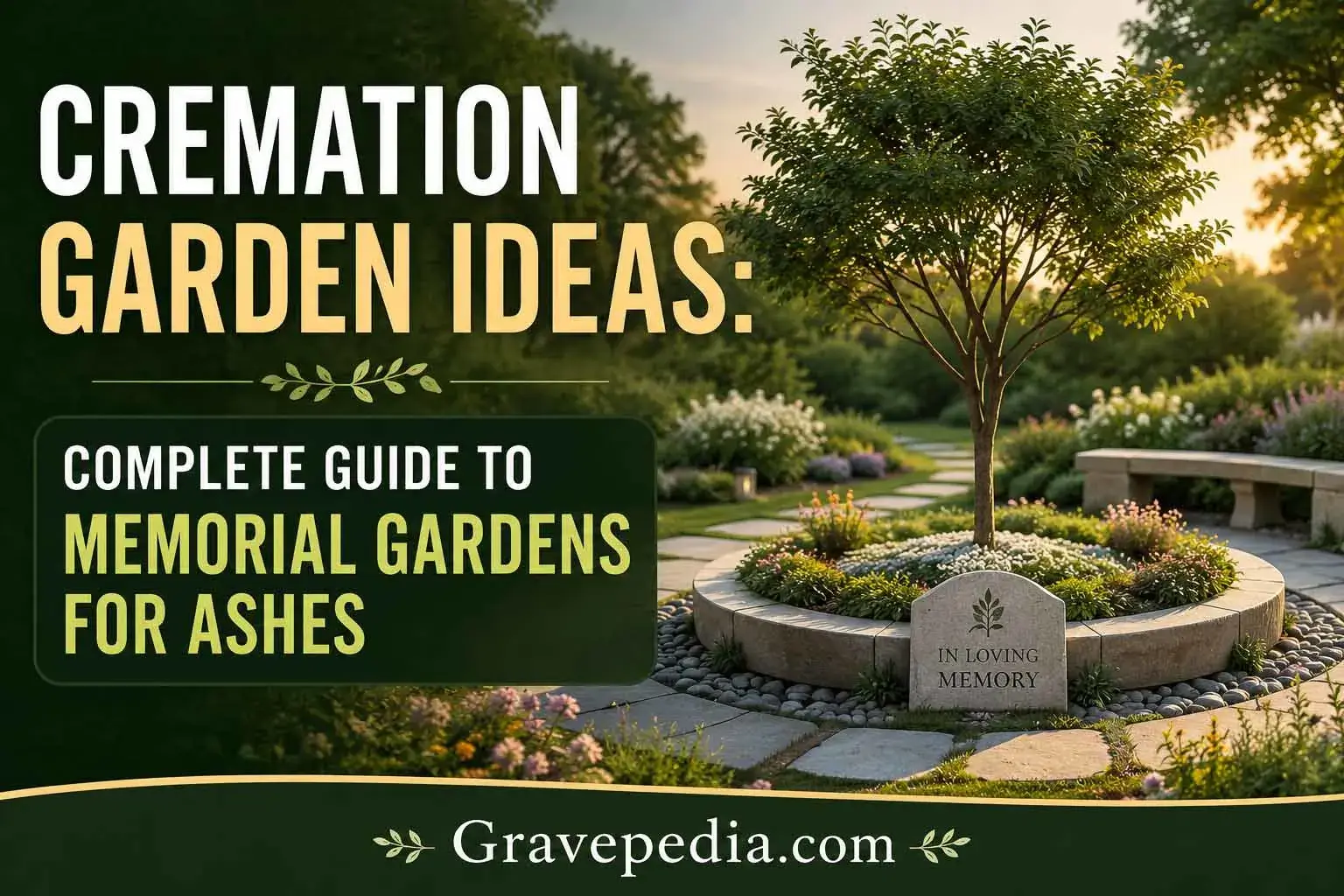
Cremation Garden Ideas: Complete Guide to Memorial Gardens for Ashes
Cremation garden ideas: Scattering gardens, urn burial, memorial benches, dedicated plantings
Ideas for ashes in garden: Scatter on ground, bury biodegradable urn, place in rock garden
Cost range: $100-$500 (DIY backyard) to $1,000-$5,000 (cemetery scattering garden)
Best plants: Roses, lilies, forget-me-nots, lavender, butterfly bush
What Is a Cremation Memorial Garden?
A cremation memorial garden is a dedicated space where cremated remains (ashes) are scattered, buried, or displayed. It can be a small corner of your backyard, a designated scattering garden at a cemetery, or a peaceful spot in a memorial park. These gardens are becoming increasingly popular as cremation rates exceed 60 percent across the United States. Families choose cremation gardens because they offer a natural, peaceful place to remember loved ones without the formality of a traditional cemetery plot. Whether you have a large backyard or just a small balcony container garden, there are ideas for ashes in garden that work for any space and budget. In this guide, I will walk you through every option from simple scattering to elaborate memorial gardens so you can create a beautiful, lasting tribute that honors your loved one.
Cremation Garden Options: 5 Beautiful Ways to Honor a Loved One
1. Scattering Garden (Cemetery or Memorial Park)
Many cemeteries now have designated scattering gardens where families can scatter ashes in a peaceful, maintained setting. These gardens often feature benches, walking paths, flowers, and trees. Some allow plaques or small markers. The cremated remains become part of the garden soil, nourishing the plants. Cost: $500-$3,000 depending on the cemetery and location. This is perfect for families who do not have their own garden space or want a permanent, maintained location.
2. Backyard Cremation Garden (DIY)
Creating a memorial garden for ashes in your own backyard is the most personal and affordable option. You choose the location, plants, decorations, and whether to scatter or bury the ashes. You can visit anytime, day or night, without cemetery hours. Cost: $100-$500 for plants, soil, mulch, and a small bench or plaque. This is ideal for homeowners who want daily access to their loved one's memorial.
3. Urn Garden with Burial
Instead of scattering, you can bury a biodegradable urn in your garden. The ashes remain contained but the urn breaks down naturally over time. You can plant a tree, shrub, or flowers directly above the burial spot. A small marker or engraved stone identifies the location. This gives you a specific spot to visit, unlike scattering which spreads the ashes across the garden. Cost: $50-$200 for a biodegradable urn, plus plants and marker.
4. Memorial Bench with Garden Surroundings
A memorial bench placed in a garden creates a quiet spot for reflection. You can scatter ashes around the bench, bury an urn nearby, or simply have the bench as the memorial without ashes present. Add a bronze plaque with the loved one's name, dates, and a short message. Cost: $300-$1,500 for a bench, $50-$200 for a plaque. This works well in both public gardens (with permission) and private yards.
5. Container Garden for Small Spaces
Do not have a yard? Create a cremation memorial garden in a large pot or planter on a balcony, patio, or indoors. Mix a small amount of ashes into the potting soil (typically 1-2 tablespoons for a 12-inch pot). Plant flowers or a small shrub that reminds you of your loved one. This is perfect for apartment dwellers or those who want a portable memorial. Cost: $30-$100 for pot, soil, and plant.
Ideas for Ashes in Garden: 10 Meaningful Ways
1. Scatter Ashes on the Ground
The simplest ideas for ashes in garden is to scatter them directly on the soil. Walk slowly through the garden, letting the ashes fall from your hand. They will mix with the soil naturally. You can scatter around existing plants or in a dedicated area. This is best for families who want the ashes to become part of the earth without any visible marker.
2. Bury a Biodegradable Urn Under a Tree
Choose a special tree perhaps one your loved one admired. Plant a biodegradable urn containing the ashes at the tree's base. As the urn breaks down, the ashes nourish the tree. This creates a living memorial that grows for generations. Popular trees include dogwood, red maple, cherry blossom, and oak.
3. Mix Ashes with Soil When Planting Flowers
When planting new flowers or shrubs, mix a small amount of ashes into the planting hole (about 1 part ashes to 10 parts soil). This creates a direct connection between your loved one and the plants. Choose flowers that held meaning for them such as roses, lilies, sunflowers, or their favorite color blooms.
4. Create a Memorial Rock Garden
Build a small rock garden with smooth stones, pebbles, and a central engraved rock serving as a marker. Scatter ashes among the rocks or bury a small urn beneath them. Rock gardens require no watering or maintenance and look beautiful year-round. Add a small bench nearby for quiet reflection.
5. Plant a Butterfly or Pollinator Garden
Create a garden designed to attract butterflies, bees, and hummingbirds. Scatter ashes throughout the garden. Each time you see a butterfly visit, you will be reminded of your loved one. Plants that attract pollinators include butterfly bush, milkweed, coneflower, lavender, and bee balm.
6. Install a Water Feature Memorial
Add a small fountain, birdbath, or pond to your garden. Scatter ashes around the water feature. The sound of flowing water creates a peaceful atmosphere for meditation and remembrance. Birdbaths can be personalized with engraved messages.
7. Create a Memorial Walking Path
If you have a larger garden, create a winding path with stepping stones. Scatter ashes along the path or place them under the first and last stones. You can have one stone engraved with the loved one's name. This gives you a literal path to walk while remembering them.
8. Dedicate a Rose Garden
Roses symbolize love and remembrance. Plant a dedicated rose bush or a small rose garden. Dig a small hole at the base of each rose bush and place a tablespoon of ashes before covering with soil. Each year when the roses bloom, you will see the beauty your loved one helped create.
9. Create a Memory Jar Garden Feature
Place a large glass jar or container in the garden. Fill it with small stones, and on top place a sealed glass vial containing a small amount of ashes (about a teaspoon). Surround the jar with flowers. This creates a visible memorial while keeping most ashes in the garden soil.
10. Combine Ashes with Garden Art
Work with an artist to incorporate a small amount of ashes into a garden statue, wind chime, or stepping stone. Several companies create memorial garden stones that include ashes. This gives you a beautiful, permanent keepsake that can be moved if you relocate.
Best Plants for a Cremation Memorial Garden
Low-Maintenance Perennials (Good for busy families)
- Lavender: Symbolizes peace and calm. Drought-tolerant, fragrant flowers. Blooms summer to fall.
- Daylilies: Each flower blooms for one day, symbolizing the preciousness of life. Very hardy, almost impossible to kill.
- Sedum (Stonecrop): Succulent that thrives in poor soil. Pink flowers in late summer attract butterflies.
- Black-Eyed Susan: Cheerful yellow flowers, native to North America. Blooms from summer to fall. Attracts birds and butterflies.
Flowering Shrubs (Medium maintenance, long-lasting)
- Butterfly Bush: Produces long flower spikes that attract butterflies from summer to fall. Grows 6-10 feet tall. Prune annually.
- Hydrangea: Large, showy flower heads in blue, pink, or white. Symbolizes heartfelt emotions and gratitude. Requires regular watering.
- Rose Bush: Classic symbol of love and remembrance. Choose disease-resistant varieties for easier care. Blooms repeatedly throughout summer.
Evergreens for Year-Round Color
- Dwarf Alberta Spruce: Slow-growing evergreen that stays small (6-8 feet). Perfect for small gardens. Provides green color in winter.
- Boxwood: Can be shaped or left natural. Evergreen, very hardy. Good for borders or as a low hedge around memorial areas.
- Japanese Maple: Beautiful foliage in red, orange, or purple. Not evergreen but stunning fall color. Requires some protection from wind.
Flowers with Meaning (Symbolism)
- Forget-Me-Not: Symbolizes remembrance and true love. Tiny blue flowers in spring. Self-seeds, so returns year after year.
- Lily: Symbol of rebirth and purity. White lilies are traditional at funerals. Fragrant flowers in summer.
- Sunflower: Symbolizes adoration and loyalty. Tall, cheerful flowers in late summer. Attracts birds and bees.
- Marigold: Used in Day of the Dead celebrations. Symbolizes remembrance of ancestors. Easy to grow from seed.
Step-by-Step Guide to Creating Your Cremation Garden
Step 1: Choose the Location
Walk around your property and find a spot that feels right. Consider visibility from a window (so you can see it daily), sunlight exposure (most plants need 6+ hours), and proximity to a water source. Some families choose a spot where their loved one enjoyed sitting, near a tree they loved, or somewhere peaceful and private.
Step 2: Decide on Ashes Placement
Will you scatter ashes across the garden, bury them in a biodegradable urn, place them in a dedicated container, or mix them with soil when planting? Each option has different considerations. For scattering, no special equipment needed. For burial, you will need a biodegradable urn and a small shovel. For container display, choose a weather-resistant urn.
Step 3: Plan Your Garden Layout
Sketch a simple plan. Where will plants go? Will you include a bench, birdbath, or stepping stones? Leave pathways for walking and maintenance access. Group plants with similar sun and water needs together. Start small you can always expand later.
Step 4: Purchase Plants and Materials
Buy plants from a local nursery (they will be adapted to your climate). Purchase quality potting mix or garden soil, mulch, and any hardscape materials (stones, bench, markers). Budget $100-$500 for a basic garden or $500-$2,000 for a larger garden with bench and hardscaping.
Step 5: Prepare the Soil
Remove grass and weeds from the garden area. Loosen the soil to a depth of 6-12 inches. Mix in compost or organic matter to improve drainage and fertility. Smooth the area with a rake.
Step 6: Place Ashes (The Meaningful Moment)
Before planting, place the ashes according to your plan. If scattering, walk slowly through the garden, speaking aloud or silently reflecting. If burying, dig a hole 6-12 inches deep, place the biodegradable urn, and cover with soil. This can be a small private ceremony with family members.
Step 7: Plant Flowers and Shrubs
Dig holes for each plant, add a handful of compost, place the plant, and backfill with soil. Water thoroughly after planting. Space plants according to their mature size do not overcrowd. Add mulch around plants (2-3 inches deep) to retain moisture and suppress weeds.
Step 8: Add Personal Touches
Install a small plaque or engraved stone with your loved one's name and dates. Add a bench for sitting, a birdbath for wildlife, or wind chimes for peaceful sound. Place garden art, stepping stones, or solar lights for evening visits.
Step 9: Hold a Dedication Ceremony
Invite family and friends for a small dedication ceremony. Share memories, read poems, or simply sit together in the garden. This creates a positive memory associated with the space and helps with the grieving process.
Cremation Garden Cost Breakdown
| Item | Low Range | High Range | Typical Cost |
|---|---|---|---|
| Biodegradable urn | $40 | $150 | $80 |
| Plants (perennials/shrubs) | $50 | $300 | $150 |
| Soil and mulch | $30 | $100 | $60 |
| Memorial plaque/stone | $30 | $200 | $80 |
| Garden bench | $100 | $500 | $250 |
| Birdbath or water feature | $40 | $200 | $90 |
| Stepping stones/decorations | $20 | $100 | $50 |
| TOTAL BACKYARD GARDEN | $310 | $1,550 | $760 |
| Cemetery scattering garden | $500 | $3,000 | $1,500 |
Conclusion: Creating Your Cremation Memorial Garden
A cremation memorial garden offers a beautiful, peaceful way to honor a loved one who has been cremated. Whether you choose a simple scattering in your backyard, a dedicated garden at a cemetery, or a container garden on a balcony, the ideas for ashes in garden are endless. The garden becomes a living tribute as plants grow, flowers bloom, and each season brings new beauty. Unlike a traditional cemetery that you visit occasionally, a home garden allows you to connect with your loved one daily. Start small, choose plants with meaning, and do not be afraid to ask for help from family or friends. The most important element is not the cost or size - it is the love and intention you put into creating a space where memories can live on.
Senior Memorial & Cemetery Researcher with over 25+ years of experience documenting burial sites and memorial gardens.
Frequently Asked Questions About Cremation Gardens
What is a cremation memorial garden?
A cremation memorial garden is a dedicated space where cremated remains are scattered, buried, or displayed. It can be in a cemetery's scattering garden, a memorial park's urn garden, or your own backyard. The garden serves as a peaceful place to remember and honor a loved one.
What can I do with ashes in a garden?
Ideas for ashes in garden include scattering on the ground, burying a biodegradable urn under a tree or plant, mixing a small amount into soil when planting, placing a sealed urn in a rock garden, or adding ashes to a container garden on a patio or balcony.
Is it legal to scatter ashes in my garden?
Yes, scattering ashes on your own private property is legal in all 50 states. You do not need a permit. However, if you rent your home, you need landlord permission. If you plan to sell the home later, disclose the ash scattering to buyers to avoid potential legal issues.
What plants are best for a cremation memorial garden?
Best plants include roses (love and remembrance), lilies (rebirth and purity), forget-me-nots (remembrance), lavender (peace and calm), butterfly bush (attracts butterflies), and native perennials that require minimal maintenance. Choose plants that held meaning for your loved one.
How much does a cremation garden cost?
A DIY backyard cremation garden costs $100-$500 for basic plants and materials, or $500-$2,000 for a larger garden with bench and hardscaping. A cemetery scattering garden costs $500-$3,000. Container gardens for small spaces cost as little as $30-$100.
Can I scatter ashes around existing plants?
Yes, you can scatter ashes around existing plants. However, avoid piling ashes directly against plant stems or trunks, as the alkaline nature can harm some plants. Mix the ashes into the top 2-3 inches of soil or water them in thoroughly after scattering.
How do I create a memorial garden for ashes in a rental property?
In a rental property, use a large container or planter to create a portable memorial garden. Choose a pot at least 12-18 inches wide. Mix a small amount of ashes (1-2 tablespoons) into the potting soil. Plant flowers or a small shrub. You can take the container with you when you move.
What is a scattering garden in a cemetery?
A scattering garden is a designated area within a cemetery where families can scatter cremated remains. These gardens are maintained by the cemetery and often include benches, walking paths, flowers, and trees. Some allow small plaques or markers. Cost ranges from $500-$3,000.
Can I bury an urn in my garden without a funeral home?
Yes, you can bury a biodegradable urn in your garden without involving a funeral home. Purchase a biodegradable urn online or from a memorial shop. Dig a hole at least 12 inches deep, place the urn, and cover with soil. You may want to plant flowers or place a marker at the spot.
How long does it take for a biodegradable urn to break down?
Biodegradable urns typically break down within 1-3 years, depending on soil conditions, moisture, and temperature. The urn is designed to dissolve naturally, allowing the ashes to mix with the surrounding soil. This process is harmless to the environment and actually beneficial for plants.
Contents
- What Is a Cremation Garden?
- 5 Cremation Garden Options
- 10 Ideas for Ashes in Garden
- Best Plants for Memorial Garden
- Step-by-Step Guide (9 Steps)
- Cost Breakdown
- Conclusion
- FAQs (10+ Questions)
Evergreen Guide
Based on cremation industry standards, gardening best practices, and cemetery regulations.