Halloween 2026: Date, Day, Countdown and Celebration Guide
Halloween 2026 falls on Saturday, October 31. A Saturday Halloween is a rare treat, making it easier for families and friends to celebrate late into the evening. This guide covers the exact Halloween 2026 date, a day-by-day countdown, celebration ideas, the history behind why Halloween is celebrated, its dark origins, and how the holiday is observed around the world.
When Is Halloween 2026?
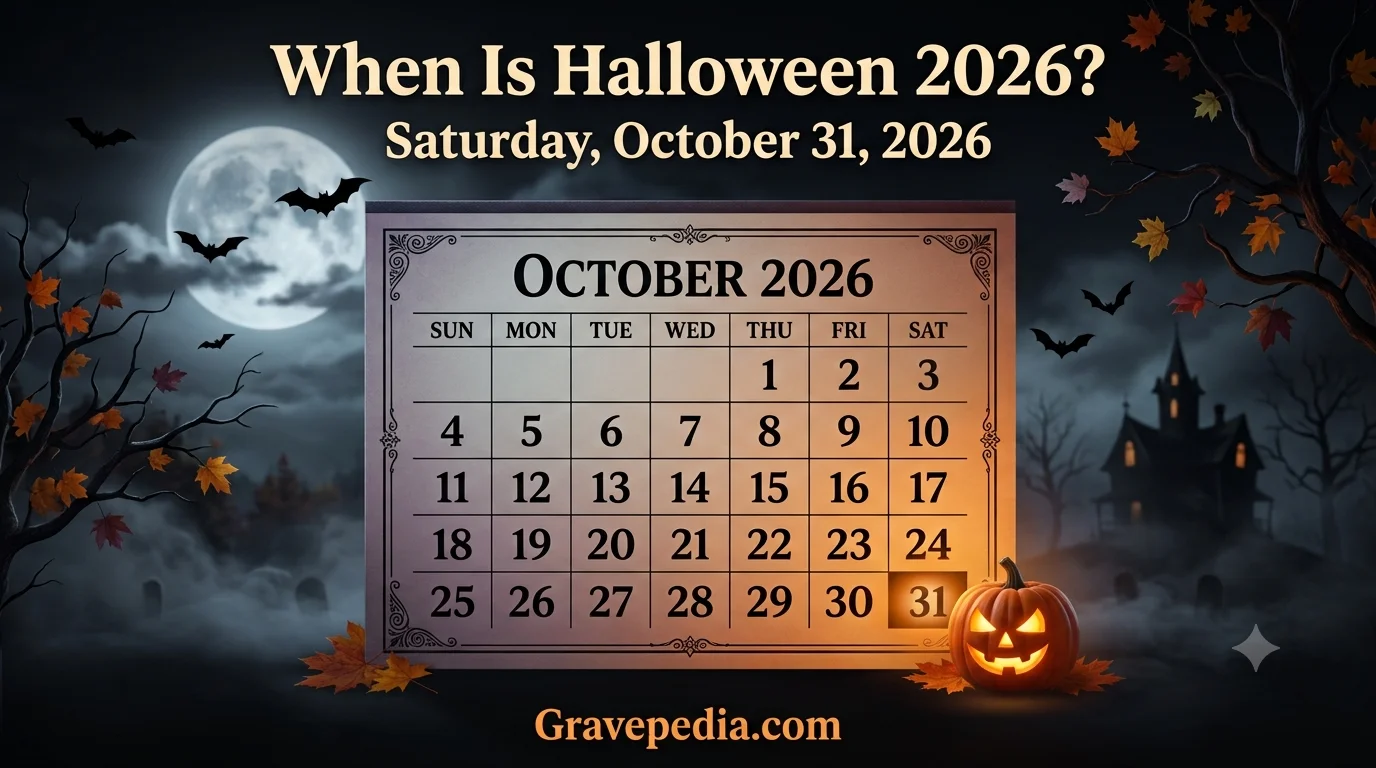
Halloween 2026 falls on Saturday, October 31, 2026. Halloween is always celebrated on October 31, so only the day of the week changes from year to year. In 2026, the holiday lands on a Saturday, which is especially convenient for celebrations.
Because it falls on a weekend, families can plan parties, trick-or-treating, and other activities without worrying about school nights or work the next morning. A Saturday Halloween also gives communities more flexibility for evening events and gatherings.
What Day of the Week Is Halloween?
Halloween 2026 falls on a Saturday. This is the day of the week that many families prefer because it allows for extended celebrations. A Saturday Halloween means trick-or-treating can start earlier, parties can run later, and no one has to worry about an early morning the next day.
Across the years, Halloween rotates through every day of the week. Some years it falls on a Monday, which makes for a quieter evening, while other years it lands on a Friday or Saturday, which tends to produce the biggest celebrations. In 2026, the weekend timing makes it an ideal year for hosting or attending Halloween events.
Why Is Halloween Celebrated on October 31?
Halloween is celebrated on October 31 because it is the evening before All Saints' Day (also called All Hallows' Day), which falls on November 1. The word Halloween comes from All Hallows' Eve, meaning the evening before the holy day.
The date also aligns with the ancient Celtic festival of Samhain (pronounced SAH-wane), which marked the end of the harvest season and the beginning of winter. The Celts believed that on the night of October 31, the boundary between the living and the dead was at its thinnest, allowing spirits to cross into the world of the living.
When Christian missionaries encountered these traditions, the Church established All Saints' Day on November 1, and the night before became All Hallows' Eve. Over centuries, the holiday evolved into the secular celebration we know today, blending ancient Celtic customs with Christian observances and modern traditions.
How Many Days Until Halloween 2026?
Halloween countdowns are a popular way to track the approach of October 31. The exact number of days until Halloween 2026 changes daily, but the table below shows how many days remain from key dates in the weeks leading up to the holiday.
| Date | Days Until Halloween | Weeks and Days |
|---|---|---|
| October 1, 2026 | 30 days | 4 weeks, 2 days |
| October 10, 2026 | 21 days | 3 weeks |
| October 15, 2026 | 16 days | 2 weeks, 2 days |
| October 20, 2026 | 11 days | 1 week, 4 days |
| October 25, 2026 | 6 days | 6 days |
| October 30, 2026 | 1 day | 1 day |
| October 31, 2026 | 0 days (Halloween) | It is here |
For a live countdown, you can use online tools that calculate the exact days, hours, minutes, and seconds remaining until Halloween. Many of these tools update in real time and show the countdown from your current date, which is useful if you are planning a party, ordering costumes, or simply counting down the days with family.
If you are counting down from a different date, simply subtract today's date from October 31, 2026. For example, if today is September 15, 2026, there are 46 days until Halloween. If today is November 1, 2026, Halloween has already passed for that year, and the next one will be October 31, 2027.
Best Halloween Ideas for 2026
Halloween 2026 offers endless opportunities for spooky fun. Whether you are planning a family celebration, a party with friends, or a quiet night of horror films, here are some ideas to make the most of the season.
Costume and Makeup Ideas
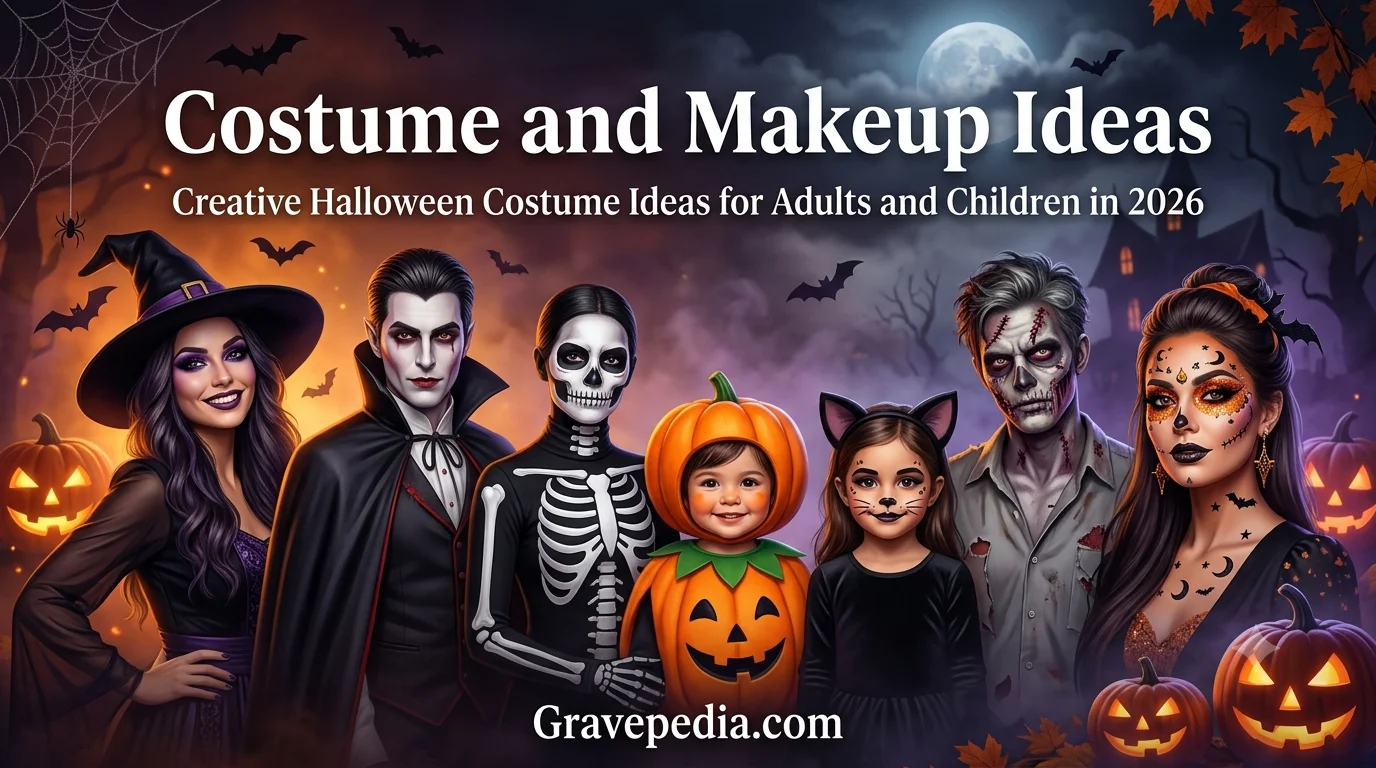
Costumes are at the heart of Halloween. In 2026, popular costume trends include everything from classic horror icons to contemporary pop culture references.
- Classic Horror: Vampires, zombies, ghosts, witches, and werewolves remain timeless choices.
- Pop Culture Characters: Characters from popular films, TV shows, and video games are always in demand. Fans of K-Pop Demon Hunters, Stranger Things, and superhero franchises will find plenty of options.
- Group and Couples Costumes: Coordinated costumes for couples or groups add a playful element to any party. Think matching duos, group themes, or family ensembles.
- DIY and Creative: Making your own costume allows for complete originality. Thrift stores, craft supplies, and household items can be transformed into something spooky and unique.
- Makeup and Accessories: Even a simple costume can be elevated with dramatic makeup, fake blood, masks, wigs, and statement accessories.
Decorations and Pumpkin Activities
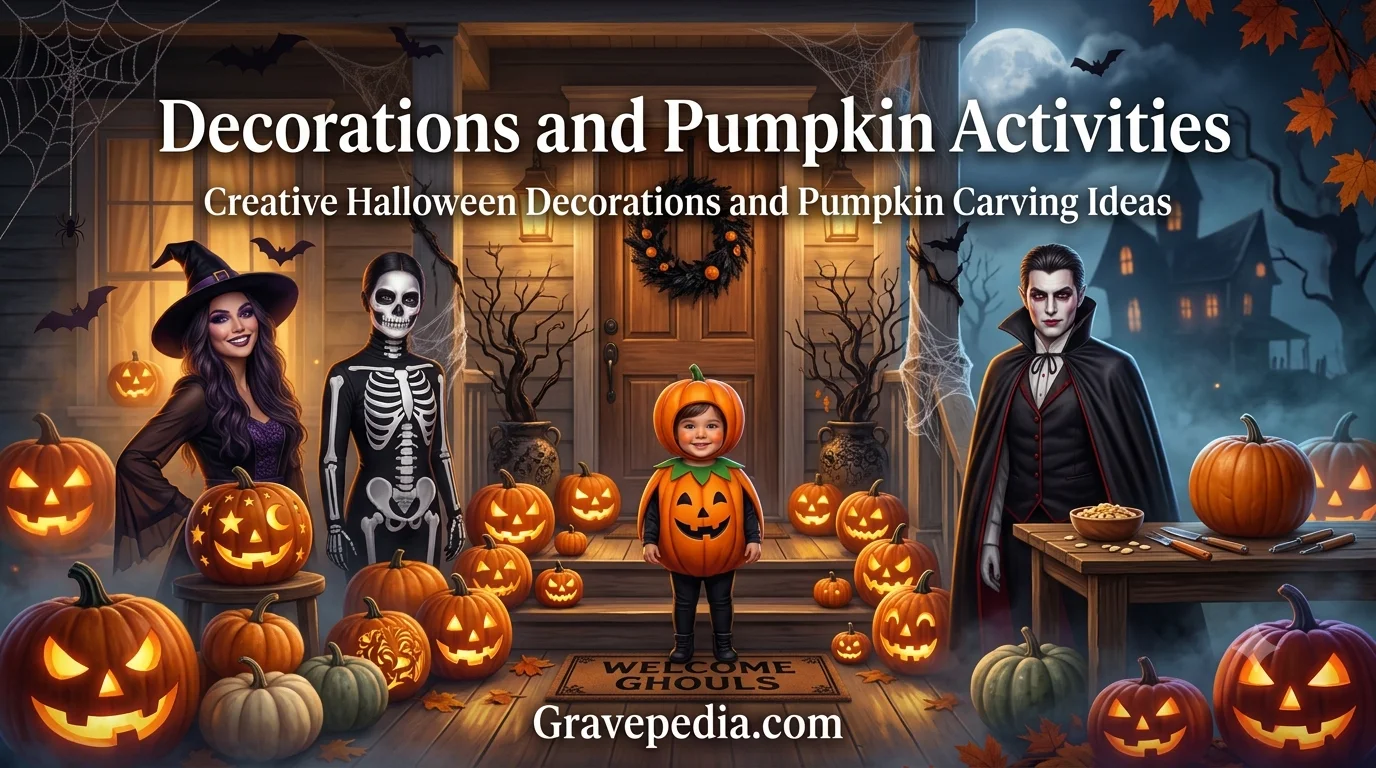
Decorating your home and carving pumpkins are classic Halloween traditions that the whole family can enjoy.
- Pumpkin Carving: Jack-o'-lanterns are the most iconic Halloween decoration. You can carve traditional faces, use stencils for intricate designs, or paint your pumpkins for a no-carve option.
- Home Decor: Ghost string lights, window stickers, spider webs, and themed throw pillows can transform your home into a spooky setting.
- Outdoor Displays: Solar skull path markers, light-up figures, and fog machines can create an eerie atmosphere for trick-or-treaters.
- DIY Kits: Pumpkin mosaic art kits, light-up carving kits, and other craft sets make it easy to get creative without extensive preparation.
Halloween Parties and Family Activities
Hosting or attending a Halloween party is a great way to celebrate with friends and family.
- Costume Parties: Invite guests to dress up and offer prizes for the best costumes in categories like scariest, funniest, and most creative.
- Themed Parties: Consider a specific theme, such as a Stranger Things Upside Down party, with themed food, drinks, and music.
- Family Activities: Hayrides, haunted houses, ghost tours, and escape rooms are popular options for all ages.
- Movie Nights: Watching horror films or Halloween classics is a cozy way to celebrate at home.
- Treats and Baking: Spooky cupcakes, themed candies, and Halloween-inspired desserts add a festive touch to any gathering.
How to Plan for Halloween 2026
Planning ahead can make Halloween 2026 more enjoyable and less stressful. Here are some practical steps to prepare for the holiday.
- Decide on Your Celebration: Will you host a party, go trick-or-treating, attend a community event, or have a quiet night at home? Knowing your plans helps you allocate time and budget.
- Set a Budget: Costs can add up quickly between costumes, decorations, candy, and party supplies. Setting a budget early helps you stay on track.
- Shop Early: Costumes, decorations, and popular candy varieties tend to sell out as Halloween approaches. Shopping in early October gives you the best selection.
- Plan Your Costume: Whether you buy or make your costume, decide early so you have time to gather all the pieces.
- Prepare Your Home: If you are expecting trick-or-treaters, make sure your porch or entryway is well-lit and safe. Clear any obstacles and consider a festive display.
- Check Local Events: Many communities host Halloween parades, festivals, and trunk-or-treat events. Check local listings for dates and times.
- Safety First: If children are trick-or-treating, plan a route, use reflective tape on costumes, and check candy before eating.
Halloween Traditions Around the World
Halloween is celebrated in many countries, though traditions vary widely. Some places have their own unique holidays that occur around the same time, honoring the dead in different ways.
Ireland: Halloween originated in Ireland as the festival of Samhain. Irish celebrations include bonfires, and a traditional fruitcake called barmbrack is baked with hidden items like rings and coins for fortune-telling.
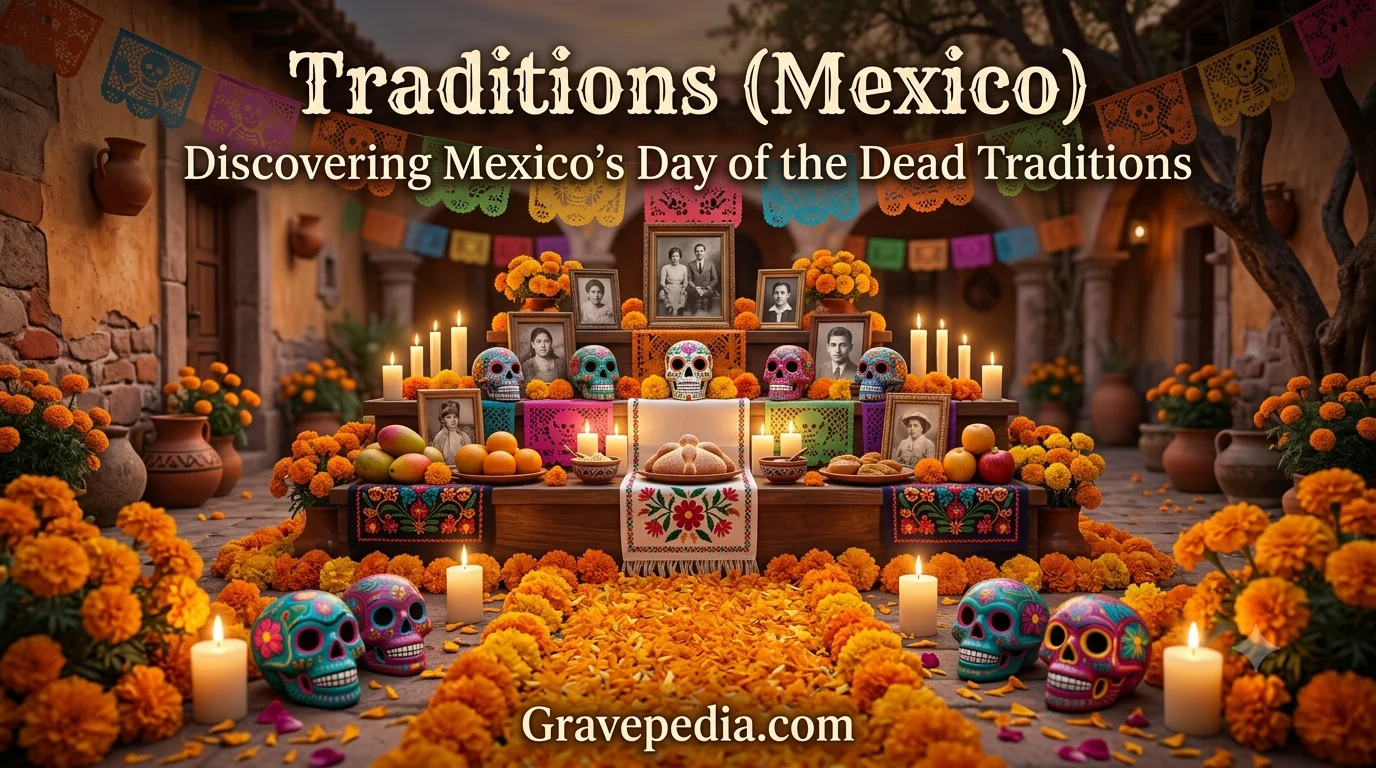
Mexico: Día de los Muertos (Day of the Dead) is celebrated on November 1 and 2. Families build altars, decorate graves with marigolds and sugar skulls, and prepare feasts to welcome the spirits of departed loved ones.
Italy: On Ognissanti (All Saints' Day), Italians honor the dead by placing red candles in windows and setting a place at the table for spirits they hope will visit.
Poland: Families travel to cemeteries to visit and decorate the graves of their loved ones with flowers and candles.
China: The Hungry Ghost Festival is a traditional event where people believe spirits roam the earth. Offerings of food and money are made, and lanterns are placed on water to guide lost spirits.
Japan: While Halloween has become popular as a costume and party holiday, Japan also observes Obon, a Buddhist festival honoring ancestral spirits.
Guatemala: The Barriletes Gigantes (Giant Kites) festival involves flying massive, colorful kites over graves to honor the dead and symbolically bridge the living and the dead.
Halloween Dark History
While modern Halloween is associated with costumes, candy, and fun, its origins are rooted in darker traditions. Understanding the Halloween dark history provides context for the holiday's enduring themes of death, spirits, and the supernatural.
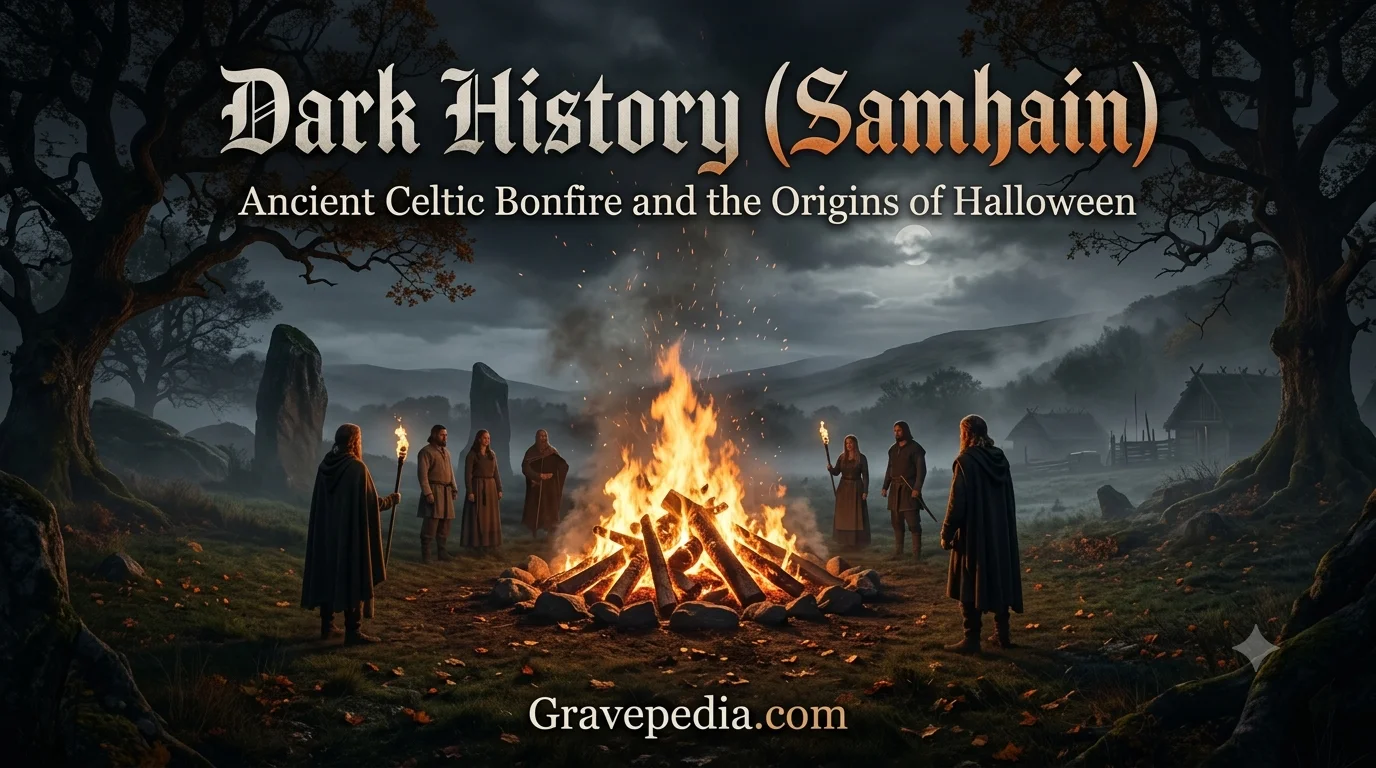
Samhain and the Celtic Festival of the Dead: Over 2,000 years ago, the ancient Celts celebrated Samhain, a festival marking the end of the harvest and the beginning of winter. They believed that on the night of October 31, the boundary between the living and the dead became thin, allowing spirits to cross over. To protect themselves, the Celts lit bonfires and wore costumes to disguise themselves from wandering spirits.
Roman Influence: When the Romans conquered Celtic territories, their own festivals became blended with Samhain. The Roman festival of Feralia, which commemorated the passing of the dead, and Pomona, the goddess of fruit and trees, contributed elements to the evolving holiday.
Christian Appropriation: In the 7th century, Pope Gregory III designated November 1 as All Saints' Day, a day to honor Christian martyrs and saints. The evening before became All Hallows' Eve. Church leaders hoped that by creating a Christian holiday around the same time, they could absorb pagan practices into the new faith.
Trick-or-Treating Origins: The tradition of going door to door for treats can be traced to several sources. In medieval England, poor people would beg for food on All Souls' Day and receive "soul cakes" in exchange for prayers. Later, in the United States, Christmas traditions called belsnickling, where costumed groups performed tricks in exchange for food and drink, may have influenced the development of trick-or-treating.
Jack-o'-Lantern Origins: The practice of carving faces into vegetables originated in Ireland, where turnips were carved and placed with candles inside to ward off evil spirits. When Irish immigrants came to America, they adapted the tradition to pumpkins, which were more plentiful.
Modern Dark Associations: In the 20th century, Halloween became associated with horror films and the supernatural. John Carpenter's Halloween (1978) was particularly influential in shaping the holiday's modern image as a night of terror and suspense.
Frequently Asked Questions About Halloween 2026
When is Halloween 2026?
Halloween 2026 falls on Saturday, October 31, 2026. Halloween is always celebrated on October 31, the eve of All Saints' Day.
What day is Halloween in 2026?
In 2026, Halloween falls on a Saturday. A Saturday Halloween is especially convenient because celebrations can extend through the weekend without conflicting with school or work schedules.
How many days are left until Halloween?
The number of days until Halloween changes daily. Use the countdown table on this page or a live countdown tool to see exactly how many days, weeks, and hours remain until October 31, 2026.
Why is Halloween celebrated on October 31?
Halloween is celebrated on October 31 because it is the eve of All Saints' Day (also called All Hallows' Day), which falls on November 1. The name Halloween comes from All Hallows' Eve. The date also coincides with the ancient Celtic festival of Samhain, which marked the end of the harvest season and the beginning of winter.
What are some fun Halloween activities?
Popular Halloween activities include carving pumpkins, dressing up in costumes, trick-or-treating, hosting or attending costume parties, watching horror films, visiting haunted houses or ghost tours, decorating your home, baking themed treats, and telling ghost stories.
Conclusion: Halloween 2026 Is on Saturday, October 31
Halloween 2026 falls on Saturday, October 31, 2026, offering a full weekend for celebrations. Whether you plan to dress up, decorate, host a party, or simply enjoy the spooky season, the holiday provides endless opportunities for fun and creativity.
Understanding the history behind Halloween, from its origins in the ancient Celtic festival of Samhain to its evolution into a global celebration, adds depth to the modern traditions of costumes, candy, and community gatherings. As you prepare for Halloween 2026, take a moment to appreciate the rich and sometimes dark history that shaped the holiday we celebrate today.
Contents
- When Is Halloween 2026?
- How Many Days Until Halloween 2026?
- Best Halloween Ideas for 2026
- How to Plan for Halloween 2026
- Halloween Traditions Around the World
- Halloween Dark History
- FAQs (5 Questions)
- Conclusion
Data Update
Based on calendar records, historical sources, and cultural references. Halloween 2026 date verified: Saturday, October 31, 2026. Verify current details with local event listings before publishing or making plans.